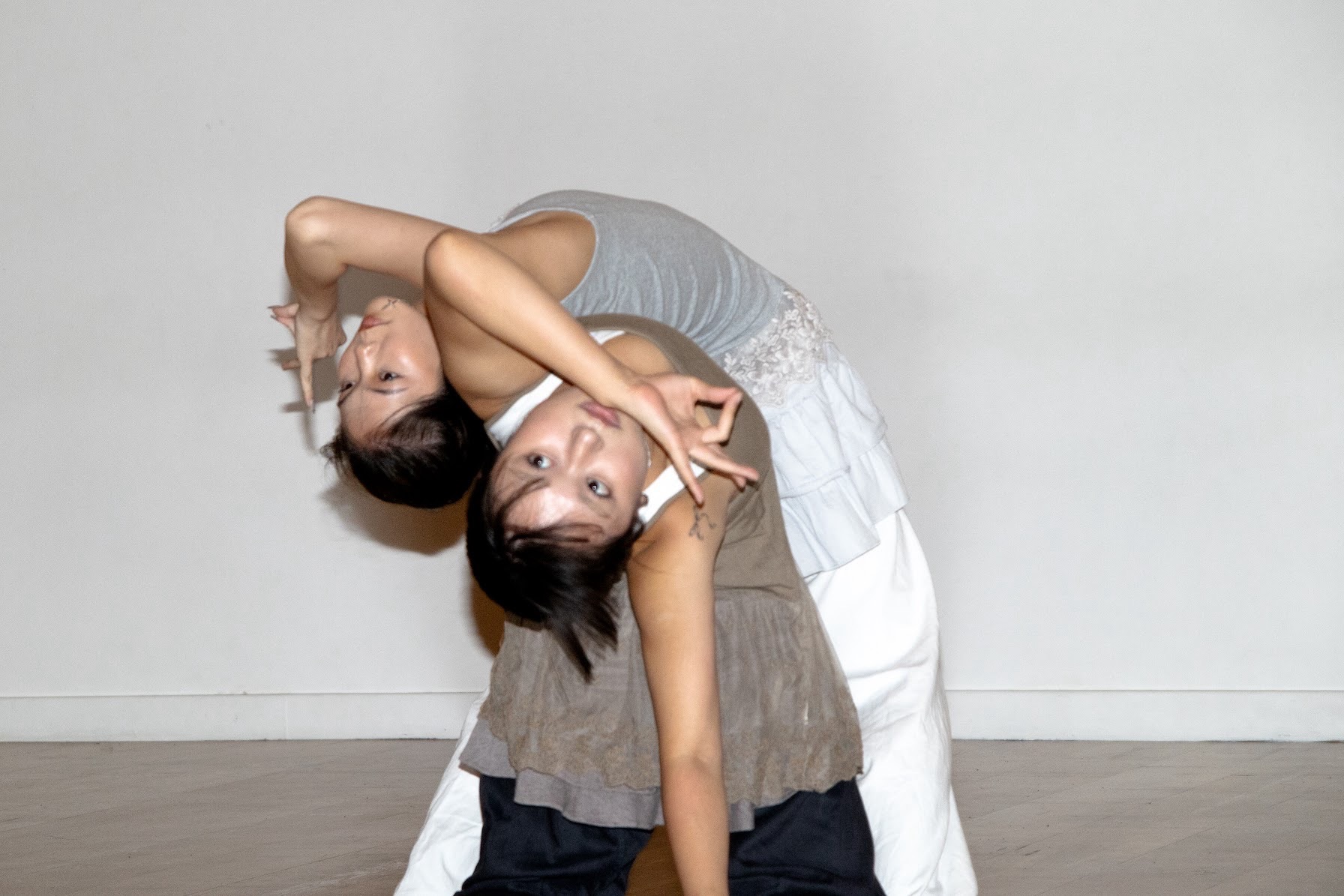
We sat down with independent artist Pearl Seraphina to discuss her practice, her work Lotus and her advice for her fellow artists…
Q: Tell us about yourself
A: Hello my name is Pearl, a London-based freelance movement artist and choreographer originally from Singapore.
My creative practice is rooted in the intersection of culture, identity and connection. Growing up in multicultural Singapore, I was surrounded by different traditions, languages and perspectives existing alongside one another. This shaped the way I understand culture and identity, and continues to influence the way I approach movement and performance.
I’m trained in Southeast Asian traditional and contemporary dance forms, and I’m interested in what happens when different movement languages meet. I explore how traditional Eastern dance forms and Western contemporary techniques can come together to create new expressions of embodiment and storytelling.
As a choreographer, I’m drawn to storytelling as a means of connection. Ultimately, my practice seeks to create dialogue between cultures, between forms and between people, while continually questioning what dance and performance can be in an ever-evolving, multicultural world.
Q: Tell us about your work Lotus
A: Lotus began in the UK, but its roots are deeply connected to where I come from.
Growing up in Singapore, I was surrounded by a multicultural environment where different traditions, languages and identities existed alongside one another. This shaped the way I understand culture and identity, and has stayed with me as I have moved through different places and experiences. Since coming to the UK, I have found myself reflecting more deeply on my own heritage and on the parts of home that I carry with me.
The work grew from my ongoing choreographic practice and research into cultural identity, movement and connection. I trained in traditional dance and contemporary dance. I have been exploring what happens when these different movement languages meet within my own body.
Lotus became a space to bring this exploration into choreography, considering how traditional movement can be carried into a contemporary context, and how it can shift and transform through lived experience.
The lotus became a natural symbol for this process. Rooted beneath the surface, it grows through change before emerging into bloom. To me, it speaks of resilience, renewal and transformation, of remaining connected to our roots while allowing ourselves to grow beyond them.
Creating Lotus in the UK has made this relationship with heritage feel particularly significant. Being away from Singapore has made me more conscious of the culture I carry, and of the importance of continuing to honour and share it.
I want to stay true to the cultural roots that have shaped me while also acknowledging that I am creating from a different place, at a different point in my life. Lotus sits within that space between home and elsewhere, tradition and transformation, memory and the present.
Ultimately, this work is my way of sharing a part of my heritage through the language I know best: the body. It is an offering of where I come from, how I have changed, and what can emerge when we allow our roots to travel with us.
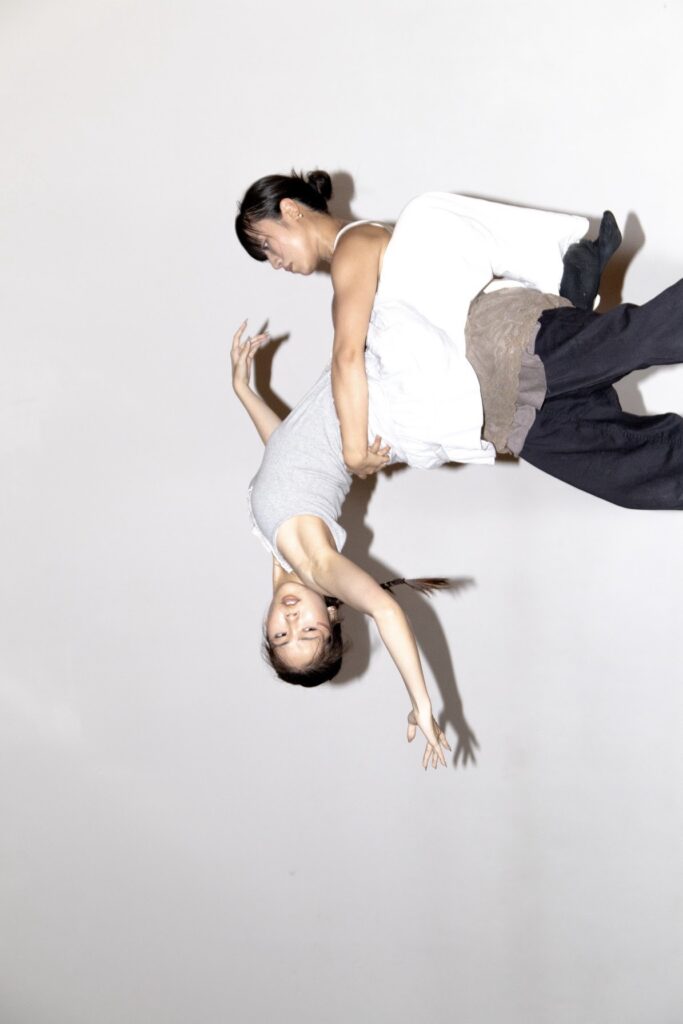
Q: What challenges do you face as an independent artist who is early in their career? What advice would you give to those starting out?
One of the biggest challenges of being an independent artist early in your career is finding the space, resources and support to develop your work while also discovering who you are as an artist. There is a lot of uncertainty, and you often have to navigate and balance many different roles at once.
There can also be pressure to establish yourself quickly, or to feel that you need to have a fully formed artistic identity. I’m learning that it’s okay for that identity to still be developing.
Being at the beginning of your career can actually be a valuable space to experiment, make mistakes and ask questions. My advice would be to stay curious and keep creating work that genuinely means something to you, even if it starts small.
It’s also easy to compare your journey to other artists but everyone’s path is different, and I think it’s important to trust your own timing.
Find your people, too. Community and collaboration are incredibly important, particularly as an independent artist. You don’t have to build everything alone.
Most importantly, allow yourself to evolve. The artist you are now doesn’t have to be the artist you will become. I think there is a lot of freedom in staying open to that.
Q: What would your ideal dance world look like?
A: I think my ideal dance world would be one where there is more representation, especially of different cultures and backgrounds.
As a Southeast Asian artist working in the UK, I would love to see more Southeast Asian dance and artists represented within the dance scene. I think there is so much richness in our different movement traditions, stories and ways of seeing the world, and I would love for these to have more space and visibility.
For me, representation is also about being able to bring where you come from into your work without feeling like you have to change or simplify it to make it more understandable to others. I think cultural dance can exist alongside contemporary dance and can continue to grow and evolve.
I’d also love to see more opportunities for emerging artists to experiment and develop their own voices. Dance feels most exciting to me when different people, cultures and movement languages can meet and learn from one another.
Ultimately, I’d like a dance world where people feel that there is a place for them, where different identities and ways of moving are seen, valued and given the space to grow.